Loading...
Cold Storage Automation and Refrigeration Energy Management
Protect The Stock.
Cut The Peak Bill.
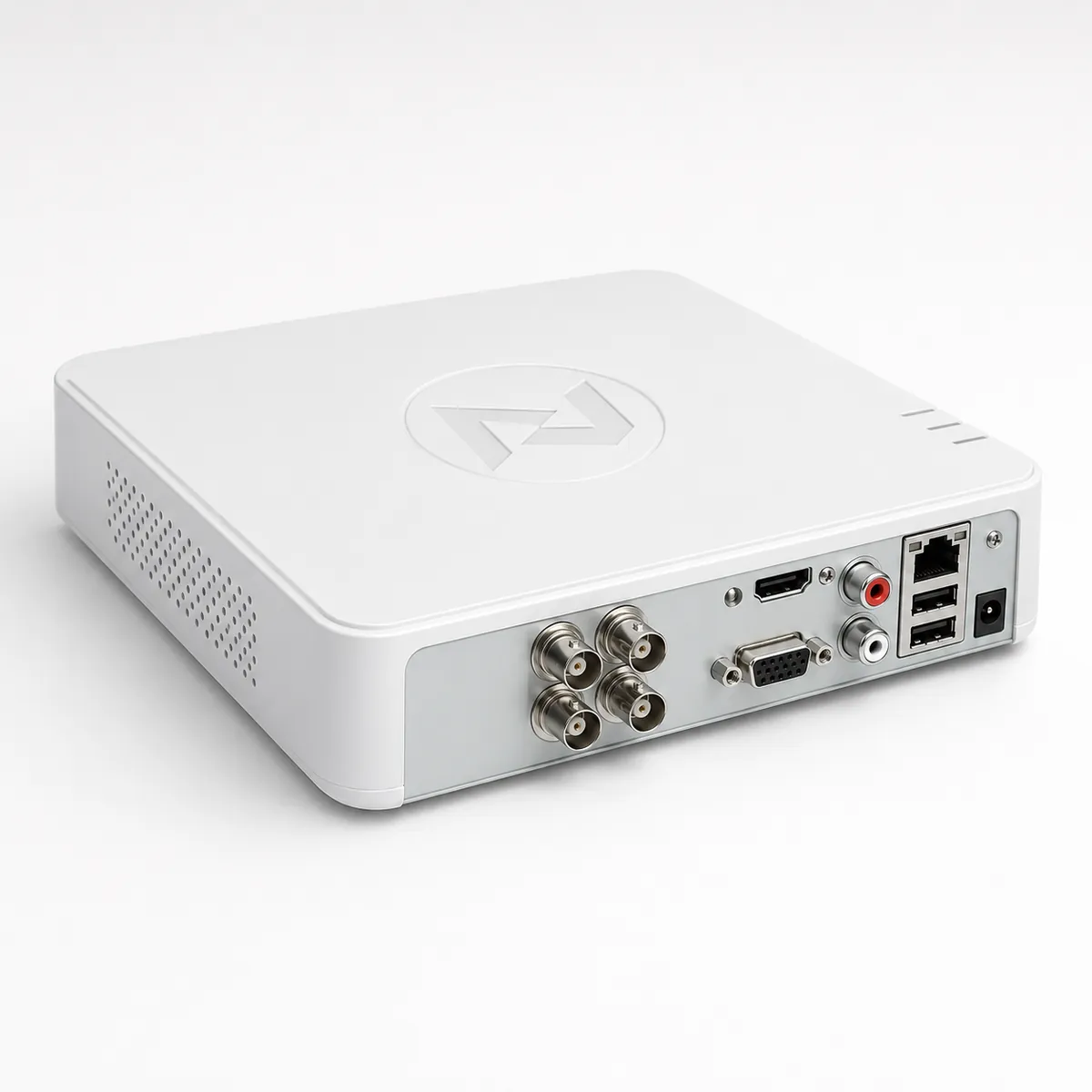
Refrigeration is most of what a cold store spends on electricity, and a compressor that trips at the wrong moment costs far more than the power it saved. Nexomatic meters every freezer circuit, sheds load during peak-tariff hours within limits you set, and keeps the safety rules running on a controller inside the building — so protection does not depend on your internet.
✓ Works Offline✓ Per-Circuit Metering✓ Anti-Short-Cycle✓ Designed in India
Nexomatic · Cold Storage
Freezer 1
Running
Freezer 2
Shed · 12 min
Freezer 3
Running
Peak window
18:00–22:00
SITE LOAD · 41.6kW
Freezers · 5/6 running
What We Automate
What We
Control And Watch
Every freezer circuit is switched and measured by the same device, so the system knows what it is turning off and what that costs.
Freezer Circuits
Switch + meter
Per-Circuit kWh
Live V · A · W
Peak Windows
Tariff-aware
Safety Limits
Max off-time
Room Climate
Temp + humidity
Alerts
Push notifications
On-Site Control
Runs without WAN
Duty Cycles
Per unit
Why Automate
Spoilage Is Expensive.
So Is The Peak Tariff.
The two risks pull against each other. The system's whole job is to take the saving without ever putting the stock at risk.
Shed load only within safe limits
Each freezer has a maximum off-time you set. The system will not exceed it to chase a saving, and it restores a unit the moment its limit is reached.
Staggered restart, not a stampede
Units come back one at a time. Restarting every compressor together is what causes the demand spike people are trying to avoid in the first place.
Anti-short-cycle protection
A compressor that stops and starts repeatedly wears out. A minimum rest interval is enforced before any unit is switched again.
Protection survives the internet
Peak windows and safety limits run on a controller in the building. If the ISP drops, shedding and restoration continue without it.
Per-circuit
Energy Visibility
Set by you
Max Off-Time
Offline
Safety Logic
1 day
Reply Time
Power factor & power consumption · case study
From a growing electricity penalty to zero
M/s MJK Enterprises, an ice-cream cold store in Coimbatore with five deep freezers, found a new line on its two-month bill: “Penalty for LPF”, ₹2,753.65, 13% of the bill — in a cycle where it had used 26% less electricity. We metered every freezer for a month, found the cause, and recommended a ₹12,500 fix. The freezers now run at a power factor of 0.90–0.98, up from 0.65.
₹2,754 → ₹0
PF penalty, 13% of the bill
0.65 → 0.95
Freezer power factor, average of 5
55% less
Energy, a loaded freezer
4–14 bills
Payback on ₹30,000
What the meters showed
- The freezers were the penalty. About 56% of the site’s energy but 73% of its reactive power, at a power factor of 0.65.
- No freezer was faulty. Uncorrected compressor motors behave this way. The fix was correction, not replacement.
- High mains voltage made it worse. Nights reached 255–270 V, above the 254 V supply limit for 22% of the month; the higher the voltage, the lower the power factor.
- And it was getting worse. By October the meter read 0.68 — a penalty of ₹4,561 on every bill, ₹27,366 a year.
- Power consumption fell by more than half. A loaded freezer used 7.43 kWh a day in August and 3.38 kWh a day in October — 55% less — with our duty control, its correction capacitor and a stabiliser in place.
- Scheduling would not fix the power factor. Fewer, longer or staggered runs barely moved power factor — so we said so.
Power factor per freezer, before and after
Freezer 1
0.66
0.98
Freezer 2
0.63
0.90
Freezer 3
0.65
0.97
Freezer 4
0.65
0.96
Freezer 5
0.66
0.92
August, beforeOctober, after correction 0.85: below this the utility charges a penalty
29% less current for the same compressor (2.06 A down to 1.47 A at 232 V). With a stabiliser, 18% less power on high-voltage nights (320 W at 227 V against 380–406 W unstabilised at 255 V).
How the penalty is calculated in Tamil Nadu
Three-phase LT III-B services must keep an average power factor of 0.85 or above (TNERC order, June 2025).
- 0.85 and above
- No penalty
- 0.75 to 0.85
- 1% of consumption charges for every 0.01 below 0.85
- Below 0.75
- 1.5% for every 0.01 below 0.85 — the whole shortfall at the higher rate
So 0.75 is a cliff: at 0.76 the penalty is 9% of consumption charges, at 0.74 it is 16.5%. This site’s bill read 0.747.
How we work
- 1
Monitor
A metering switch on every machine: voltage, current, power and run time every 30 seconds, live in the app.
- 2
Report
Energy and power-factor reports read against your own electricity bill, machine by machine.
- 3
Recommend
Right-sized correction per machine, stabilisers where the supply runs high, and what not to spend on.
- 4
Prove
The same meters measure the result, so the saving is shown, not promised.
Investment on this site: ₹12,500 correction capacitors, ₹17,500 metering and control for five freezers, and a ₹250-a-month monitoring subscription. The capacitors alone paid for themselves in 2–5 bills.
Paying a power-factor penalty, or not sure where your units go? Send us your last two electricity bills and we will tell you what metering would show — before you buy anything.
Get your bill checkedPower factor here is true power factor (real power ÷ voltage × current) from 30-second readings. Before: 19 days, August 2026. After: October 2026. Penalty figures use the site’s August 2026 bill (₹21,265, penalty ₹2,753.65). Energy: the same freezer’s meter, 10–14 August against 17–26 October 2026, integrated from power readings.
Use Cases
Automation Scenarios
Built for Indian Cold Storages
Peak
Evening Peak Window
Between 18:00 and 22:00 the site sheds the lowest-priority freezer first, one at a time, never exceeding each unit's configured off-time.
Recovery
Limit Reached
A shed unit hits its maximum off-time and is restored immediately, even if the peak window is still open. The cap always wins over the saving.
Outage
Internet Down
The on-site controller keeps enforcing peak windows and off-time limits with no cloud connection, and syncs the history when the link returns.
Boot
After A Power Cut
On restart the system restores freezers it finds switched off rather than waiting for the next scheduled decision.
Compatible Products
Products Used in
Cold Storage Automation

How It Works
From Consultation to
Full Automation
1
Site Survey
We record every freezer circuit, its load, and how long each unit can safely sit without power. Those limits become the configuration.
2
Metered Breakers
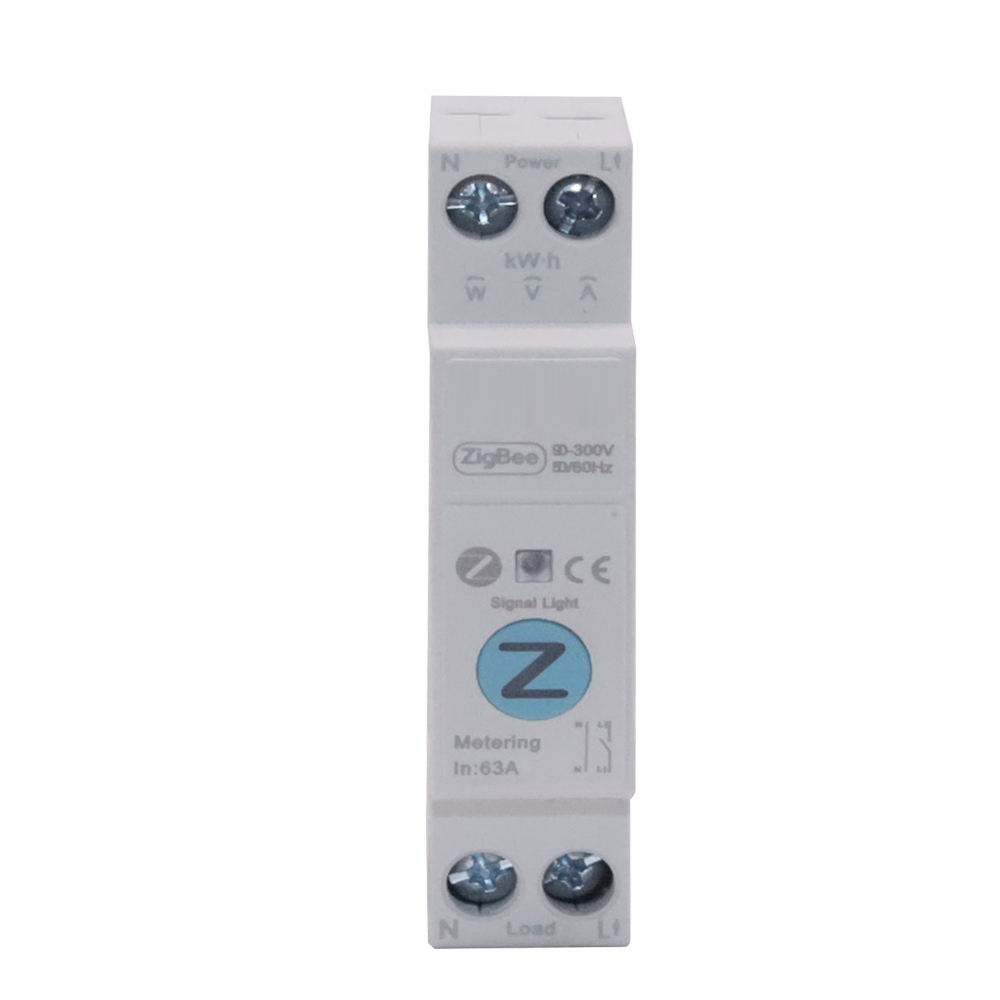
A DIN-rail metering breaker goes in for each freezer circuit, so every unit is switched and measured individually.
3
Set The Rules
Peak windows, per-unit maximum off-time, priority order and the minimum rest interval between switches are configured with you, not guessed.
4
Watch Before Trusting
The site runs in monitor-only mode first. You see what the system would have shed, and approve it, before it is allowed to switch anything.
FAQ
Cold Storage
Questions Answered
Every unit carries a maximum off-time that you set during commissioning. The system tracks each unit against its own limit and restores it the moment the limit is reached, regardless of what the tariff is doing.
Can't find what you're looking for? Contact our customer support team →
Related reading
Automation for other spaces
Talk To Us
Protect Your Stock
And Your Peak Bill
Tell us how many freezer circuits you run and how long each can safely sit without power. We will map it and show you what the shedding would look like before anything is switched.